
Frequently asked questions about dental treatments

Comprehensive and easy-to-understand answers to the most important questions in dentistry.

Dear Patients!

We would like to share some important thoughts about dental implants and general dental services.
Many people come to us with misconceptions, even though implantation - with proper expertise and planning - is one of the most modern and effective ways to replace missing teeth.

For example, we often hear:

  • „I don’t want a CT scan, just the implant.”

  • „I want an implant so I don’t have to deal with it later.”

It is important to emphasize that the success of implantation requires thoroughness and preparation – those who would initially reject it are the ones who need proper diagnostics the most. The patient's cooperation is also essential for a good result: oral hygiene and quitting smoking significantly affect the healing process. (Nicotine has a vasoconstrictor effect, and carbon monoxide impairs the oxygen supply to the tissues.)

In our practice, we always plan the procedure with a preliminary CBCT (3D CT) examination, and then perform the implantation under local anesthesia with premium implant systems (ALPHA BIO, NOBEL BIOCARE, MEGAGEN ANYRIDGE).

Why is an implant good?

The implant prevents the atrophy of the jawbone and face, which is a natural process when teeth are missing.

It restores chewing function so you can enjoy safe and comfortable eating again.

It protects healthy teeth because it does not require grinding down adjacent teeth, as is the case when making a bridge.

It offers a fixed solution instead of removable dentures, especially in cases of end-of-row tooth loss.

It provides stable fixation even in the case of complete tooth loss or stabilizes the existing prosthesis.

A clinically proven solution that has been used for over 50 years and has a success rate of 95-98%.

It is biocompatible and made of titanium, so it is safely integrated into the jawbone.

With proper oral hygiene and regular check-ups, it can even be a lifelong solution.

Everything you want to know about implants

We have collected the most important information so that you can be confident in your decision.

A dental implant is an artificial tooth root made of titanium or zirconium that is placed in the jawbone. A crown or bridge is placed on top of it, providing a natural-looking, stable and long-lasting tooth replacement.

Implants come in many forms and systems. The most well-known include Nobel Biocare, Alpha Bio, and Megagen. There are also traditional (analog) and digitally designed solutions, which can be more accurate and faster.

The entire process usually takes a few months, as the implant needs to ossify. However, in some cases, faster, even immediate tooth replacement is possible. Immediate tooth replacement after implantation is always performed with plastic crowns (PMMA) for 3 months.

  • Analog method: A traditional procedure in which, after implant placement, you have to wait for healing before the final dental restoration is placed.

  • Instant method: An implant is placed immediately after tooth extraction, if the conditions are right. In some cases, it can even be loaded with an immediate plastic crown.

1. Preliminary 3D CT scan (decision on the possibility of implantation)
2.Local anesthesia
3.Surgical preparation
4. Implant placement (20-30 minutes)
5.Healing period (3-6 months)
6.Final crown placement

No. The procedure is performed under local anesthesia, so it is completely painless. After the treatment, there may be mild pain or swelling for 2-3 days, which is easily managed with painkillers.

Implants are suitable for almost all adults if the following are met: healthy gums, adequate bone mass, good general health, and no untreated gum disease or infection.

The integration of the implant in most cases takes 3 months, if healing requires it, it can take up to 6 months. During this time, the implant fuses with the jawbone (osseointegration). Do not chew hard on the implant during this period. We will make a temporary denture to maintain the aesthetic appearance.

With proper oral hygiene and regular dental check-ups, your implant can last up to 20-30 years or even longer. 95-98% of successful implants survive long-term.

Implantation is not recommended during pregnancy. The procedure is stressful for the mother and may require painkillers and antibiotics. It is recommended to start implantation 3–4 months after pregnancy.

Preserving part of the tooth during implantation to preserve the gums and bone for a more aesthetic result.

When there is a significant bone deficiency, special implants or bone grafting procedures are used to provide stable fixation.

Yes, if sufficient bone stock is available, bone grafting can be avoided with some modern systems.

A full set of teeth is secured with 4 implants, a fast, stable solution for patients with bone deficiency.

 It is an integrated system based on modern osseointegration science. It provides fast and safe osseointegration thanks to its special TiUltra™ surface. Implants can be placed and used immediately, while reducing bone stress with the Trioval implant neck. It supports the entire treatment process with dedicated surgical protocols and instruments, making it a reliable and effective solution for dental restoration.

The TiUltra™ surface is an ultra-hydrophilic, anodic oxidation treated, gradually varying roughness and porosity surface that promotes rapid and effective osteointegration. This design helps to improve bone cell adhesion and supports long-term stability.

The Trioval implant neck reduces stress on the cortical bone compared to traditional round-neck implants, improving bone integrity and reducing the risk of complications.

This surgical protocol involves the use of a low-speed instrument for wound preparation. Based on biological principles, it provides implant-specific drilling that maximizes implant stability and control during the surgical process.

Titanium is an ideal material for dental implants because it is well tolerated by the body (biocompatible). A thin oxide layer naturally forms on the surface of titanium, which is bioinert – meaning it does not trigger an immune reaction – and allows bone to grow directly onto the implant.

The surface of modern implants is further refined using various processes, such as grain blasting or plasma spraying: the more porous, rougher surface promotes the adhesion of bone cells and results in faster, more stable healing. It is this close connection between titanium and bone that is the basis for osseointegration.

Dental implant replacement consists of six main steps:

  1. Personal consultation – The dentist will assess your condition, needs, and discuss the treatment plan.
  2. Digital planning of implantation – Modern imaging techniques (e.g. CT) are used to precisely plan the location and angle of the implant.
  3. Implant placement – The titanium implant is surgically placed into the jawbone.
  4. Healing phase and control – During the osseointegration period (usually 2-6 months), the bone grows onto the implant. During this period, you will return for follow-up examinations.
  5. Making and trying on dentures – The crown, bridge or other restoration is made based on an impression or digital scanner, which is tried on and refined if necessary.
  6. Handing over dentures – The final denture is attached to the implant.

After the healing period, the final restoration is typically made 3-4 times is realized under.

Dental implants have a high success rate (95-98%), but in rare cases, the body may not accept the implant properly. Signs of rejection may include:

  • Pain and tenderness – Persistent, increasing pain occurs around the implant, which does not go away during the normal healing period.
  • Movement, relaxation – The implant moves palpably, it is not stable.
  • Gingivitis – The gums around the implant are red, swollen, and may be bleeding.
  • Purulent discharge – A symptom indicating infection that requires immediate treatment.
  • Receding gums – The metal part of the implant is visible.

The most common reasons for rejection are:

  • Insufficient osseointegration – The bone did not grow properly onto the implant.
  • Infection (peri-implantitis) – Bacterial inflammation of the tissues around the implant.
  • Overload – Premature or excessive chewing force on the implant.
  • Inadequate bone supply – Little or poor quality bone mass.
  • Smoking – It significantly impairs healing and the chances of integration.
  • General health – Untreated diabetes or immune system problems increase the risk.

If you notice any of the above symptoms, contact your doctor as soon as possible!

Fortunately, dental implant removal is rarely necessary, but is unavoidable in some cases:

  • Severe peri-implantitis – If the inflammation of the bone and tissue around the implant does not respond to treatment and significant bone destruction develops.
  • Failed osseointegration – The implant is not stably integrated into the bone, it moves permanently.
  • Fracture – In rare cases, the implant itself or the abutment (superstructure) may break.
  • Bad position – If the position of the implant does not allow for proper tooth replacement or causes an aesthetic problem.
  • Nerve damage – If the implant presses on or irritates the surrounding nerves and causes permanent numbness or pain.
  • Chronic infection – In case of recurrent infection that cannot be treated with antibiotics.

After removal – after adequate healing time and possible bone grafting – it is usually possible to place a new implant.

Dental implantation is a safe procedure with a high success rate (97-98%), but like any surgical procedure, it can have temporary side effects and risks:

Normal, temporary symptoms after surgery:

  • Mild pain and tenderness (similar to a tooth extraction)
  • Swelling on the face that goes away within 5-7 days
  • Slight bleeding, which usually stops within 1 day

Possible risks and their prevention:

  • Infection, inflammation (peri-implantitis) – It can be prevented with proper oral hygiene and regular check-ups.
  • Failed ossification – It can be prevented with a preliminary CT scan and, if necessary, bone grafting.
  • Poorly positioned implant – Can be avoided with digital design (CAD-CAM).
  • Overload – It can be prevented with a customized bite adjustment.
  • Damage to adjacent tooth – It can be diagnosed with thorough imaging diagnostics.

When should we see a doctor? If the pain is persistent and increasing, the swelling does not go away, or the area around the implant is pus-filled and red – see your doctor immediately.

Important: Most of the risks can be minimized with proper planning, the use of premium quality implants, and the patient's cooperation (oral hygiene, smoking cessation, regular check-ups).

Structure of the dental implant: A complete implant-supported denture consists of three main parts:

  • Implant (artificial root) – A titanium or zirconium screw implanted in the bone that replaces the root of a missing tooth.
  • Implant head (abutment) – A connecting element attached to the implant that holds the crown.
  • Superstructure (crown) – The visible "tooth" itself, which ensures the function and aesthetics of the original tooth.

The traditional implantation process:

  1. Condition assessment and planning – Based on a CT scan and examination, the dentist plans the exact location of the implantation.
  2. Implant placement – During a minor surgical procedure, the artificial root is placed in the jawbone. If several teeth are missing, it is not necessary to have a separate implant for each tooth.
  3. Healing time (3-4 months) – During this time, the bone fuses with the implant (osseointegration).
  4. Gum shaping (~2 weeks) – Insertion of a gingival shaping screw to create the appropriate gingival contour for the dental prosthesis.
  5. Impression taking and making dental restorations – The dental laboratory will create the lifelike crown or bridge.
  6. Fixation of permanent dentures – Placing the finished crown on the implant.

When is implantation successful? If there is no pain, foreign body sensation, or inflammation, the implant is stable and no bone resorption is visible on X-rays. The key to long-term success is proper oral hygiene and regular check-ups.

Osseointegration is the process by which the implant fully fuses with the bone, becomes stable, and is able to withstand chewing forces. This is the basis for successful and long-term dental restorations.

Conditions for successful osseointegration:

  • Biocompatible material – The surface of the titanium implant does not trigger an immune reaction, so bone can grow directly on it.
  • Proper surgical technique – The procedure must be sterile and gentle (atraumatic) to cause minimal tissue damage.
  • Tissue quiescence – During the healing period, the implant should not be loaded and should be left completely still to allow for undisturbed ossification.
  • Sufficient healing time – Usually 2-6 months are required, depending on the location of the implant:
    • Lower jaw: 2-4 months
    • Upper jaw: 3-6 months (longer time due to looser bone structure)

Why is it key? Osseointegration ensures that the implant provides a stable foundation for the final dental restoration (crown, bridge). Without successful integration, the implant may become loose and not be able to perform its function.

Inflammation around the implant (peri-implantitis) is one of the most common complications that can lead to implant loss if left untreated. Fortunately, it is preventable and treatable.

Possible causes of inflammation:

  • Neglected oral hygiene – Plaque and bacteria build-up around the implant
  • Implant overload – Especially during the healing period, due to too early chewing force
  • Smoking – Significantly impairs healing and the body's defenses
  • Untreated diabetes – Increases the risk of infection
  • Inadequate surgical preparation – With modern technologies it is rare

Symptoms of inflammation:

  • The gums around the implant are bright red, swollen, and sensitive.
  • Bleeding when brushing or touching your teeth
  • Pain around the implant
  • Appearance of purulent discharge
  • Bad breath, unpleasant taste
  • In advanced stages, the implant may become loose and start to move.

Prevention:

  • Thorough daily oral care (toothbrush, floss, interdental brush)
  • Regular check-ups and scaling (every 3-6 months)
  • Quitting smoking
  • Immediate dental examination if symptoms are detected

Early detection is key – if treated in time, the implant can be saved!

Other common dental treatments

Anterograde seals from the crown of the tooth, while retrograde is done through the root apex.

A removable prosthesis that replaces a complete set of teeth, especially in the absence of implants or fixed dentures.

For our modern root canal treatments, we use TF adaptive machines, which work with a back-and-forth (reciprocal) movement instead of the traditional rotating movement. The essence of the reciprocal technique is that the instrument cannot screw into the root canal, making the treatment significantly safer and more effective. We work with durable titanium-nickel instruments and innovative 3D root filling, during which we compact warm gout bone vertically and horizontally in 3D, which perfectly closes the root canal. The process is painless, but as with any surgery, you may be sensitive for 1-2 days after the operation, which can be controlled in the usual way.

Tooth decay is caused by bacteria, sugars, and poor oral hygiene, and can be prevented by regular brushing and oral care.

Foods, drinks, smoking, medications and dental diseases can lead to discoloration.

Yes, AI is being used in diagnostics, treatment planning, and in a growing number of clinics to support treatment.

General clinical examination, digital panoramic X-ray or 3D CT scan if necessary, and checking the condition of the gums and jaw joint.

For everyone, but especially for those who haven't been to the dentist in a long time, have dental complaints, or are about to undergo dental surgery.

A panoramic X-ray provides a comprehensive view of the teeth, jaw, and surrounding structures, helping to detect hidden changes, such as the condition of wisdom teeth or root tips.

Modern digital panoramic X-rays operate with low radiation exposure, making the examination safe for all ages.

Professional tartar removal, polishing, dental advice and improvement of oral hygiene.

It is generally recommended twice a year, but this may vary depending on individual conditions.

Most surgeries are performed under local anesthesia and are therefore painless. Post-operative pain may occur, which is treated with appropriate pain relief.

Teeth whitening, veneers, aesthetic fillings, orthodontics, aesthetic design of implants and dentures.

The appearance of the smile, the color, shape and arrangement of the teeth improve, thereby increasing self-confidence and a sense of comfort.

  • Consultation and diagnosis: The dentist will assess the dental condition, perform preventive treatments if necessary, and discuss the treatment plan.
  • Tooth preparation: The remaining teeth are prepared for the attachment of the denture. After the tooth is extracted, the wound is allowed to heal.
  • Making a fixed and removable part: The fixed bridge and the removable part connected to it are made based on precision impressions with hidden fastening elements.
  • Tests and insertion: After several trials, the final denture is inserted, and the dentist will then train you in its use.


Important information:

Combined dentures are a more complex process, requiring multiple sessions. Their advantages include stable fixation, aesthetic appearance, and the practicality of a fixed-removable combination.
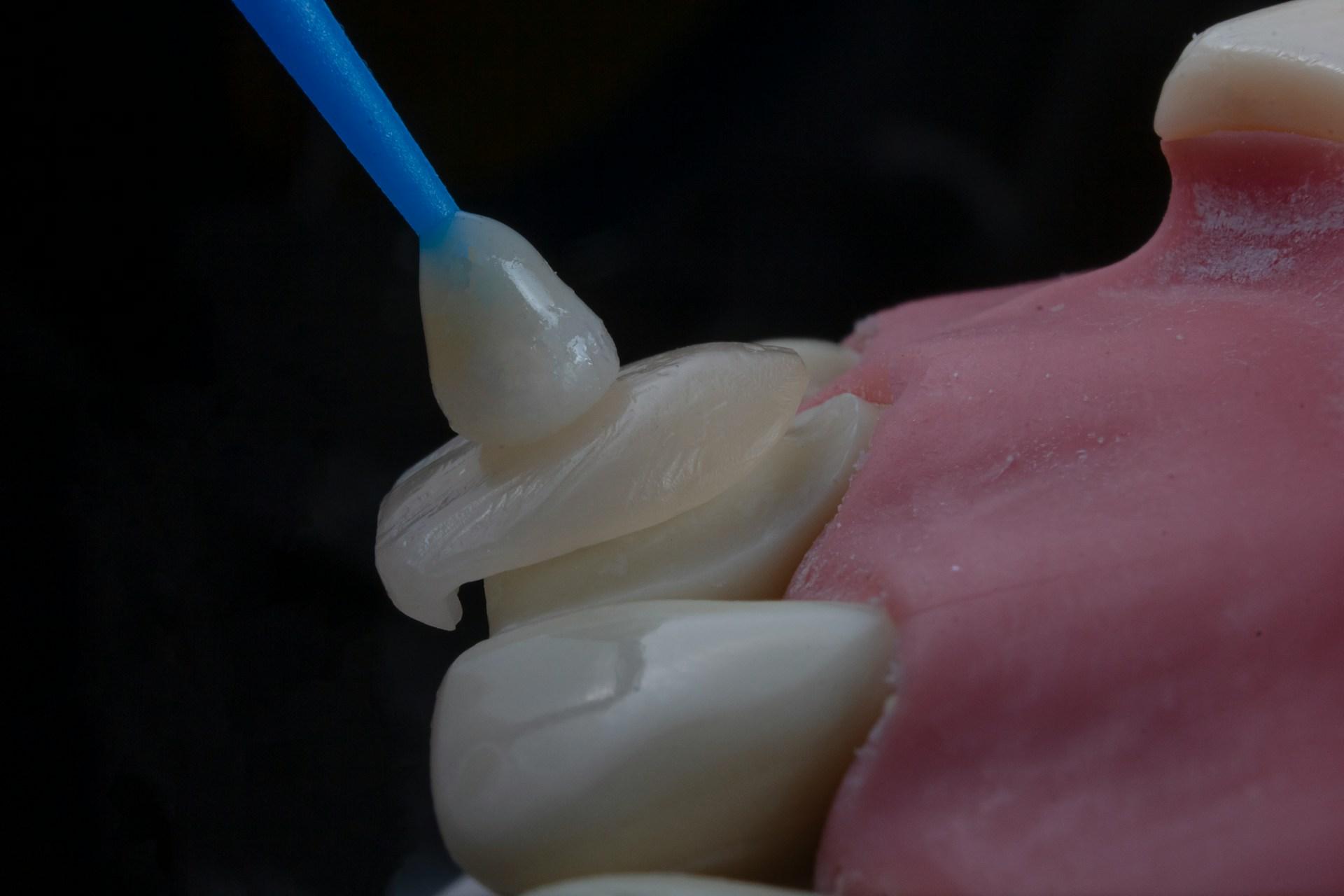
Science is making exciting strides toward biologically regrowing teeth and jawbone. Researchers have recently identified two key types of stem cells that may be able to regenerate missing teeth and bone tissue.

What did they discover? The so-called dental follicle cells around the tooth germ are capable of transforming into bone cell precursors (osteoblasts and osteocytes), which build the bone that supports the teeth. Researchers have identified a specific signaling pathway (the Hedgehog–Foxf axis) that regulates when and how these stem cells transform into bone tissue.

Why is this important? In pathological conditions, such as severe periodontal disease, this signaling is abnormally activated, leading to bone destruction. The researchers successfully restored normal bone growth in a mouse model using an existing Hedgehog inhibitor drug.

What could this mean in the future? In the long term, it may become possible to treat bone destruction caused by severe gingivitis, regenerate bone around teeth, or even biologically regrow lost teeth - using the body's own regenerative ability instead of implants and plastics.

Important to know: This is still in the basic research phase. It may be years or decades before safe application, long-term efficacy is proven, and human treatments are possible – but the direction is promising.

It is completely normal to experience sensitivity or mild pain for a few days after the crown is attached – this is part of the adaptation process between the ground tooth and the new denture.

Temporary, normal symptoms:

  • Slight tension, pressure sensation around the crowned tooth
  • Sensitivity to cold/heat
  • Mild discomfort when chewing

These usually go away on their own within 2-7 days.

Possible causes of persistent pain:

  • High crown – If the crown is too high, it causes uncomfortable pressure when chewing. This can be easily corrected.
  • Sensitivity of nerve channels – Nerve endings opened during grinding regenerate more slowly.
  • Periodontitis – The stress of grinding can rarely cause inflammation, which may require root canal treatment.
  • Decay under the crown – If the cement dissolves, bacteria can enter.

When should we see a doctor? If the pain lasts longer than 2-3 days, increases, or there is swelling, fever, or a pus-like taste – see your doctor immediately!

Yes, unfortunately it is possible that the tooth under the crown will start to deteriorate over time. This usually does not occur immediately, but over the years.

Most common reasons:

  • Cement leaching – The bonding material can dissolve over time and bacteria can get between the tooth and the crown, causing decay.
  • Poor oral hygiene – Plaque and tartar that accumulates at the edge of the crown and along the gum line can cause inflammation and then tooth decay.
  • Periodontitis – If the tooth under the crown has not had root canal treatment, inflammation may develop in the pulp later.
  • Gum recession – Receding gums can expose the neck of the tooth, making it prone to decay.
  • Aged or ill-fitting crown – Old, inaccurate crowns can leave a gap where bacteria can settle.

Warning signs:

  • Unpleasant odor or taste from under the crown
  • Return of tooth sensitivity
  • Bleeding gums around the crown
  • Persistent, spontaneous pain

Prevention: Thorough oral hygiene and a six-monthly check-up – the dentist can detect the problem in time!

Implant systems and technologies

DTX Studio is a comprehensive dental software that handles 2D and 3D imaging data. Its AI-based SmartSetup™ feature automatically simulates new teeth and selects implants. It enables chairside treatment planning, surgical guide generation, and dynamic 3D navigation during surgery.

The software aggregates all patient images, providing a quick diagnosis and treatment plan in 90 seconds. AI-based MagicSort offers automatic tooth numbering and SmartLayout™ intelligent view.

It visually presents treatment options, so patients can better understand the implantation process and the expected outcome.

Yes, it significantly shortens the planning process and allows for faster surgical execution.

Alpha Bio offers reliable, good value for money, short healing time and quick insertion. It is a widely used implant in Hungary and is recognized worldwide.

Alpha Bio was acquired in 2008 by Nobel Biocare, the world's leading implant manufacturer, ensuring its international quality and support.

The Alpha Spiral Implant is the best known, which can be widely used due to its spiral structure.

They are characterized by a short recovery time, which allows for a faster return to normal eating.

Alpha Bio operates under ISO 13485:2003 and ISO 9001:2000 standards, is CE marked and FDA approved in the USA.

It provides high quality and durability at an affordable price, making it a stable solution at a cost-effective price.

AnyRidge has a biologically inspired design that provides a less invasive, rapid, predictable and more aesthetic treatment, especially with immediate placement and immediate loading.

AnyRidge provides high initial stability based on Implant Stability Quotient (ISQ) and insertion torque, allowing for full final restoration in 4 weeks.

The special threads of the AnyRidge implant penetrate the jawbone smoothly, reducing the risk of tissue damage and providing a larger surface area of contact with the bone, ensuring stronger and faster integration.

This is a complex system based on modern osseointegration science, with dedicated instruments, prosthetic elements, and surgical protocols, which starts with immediate placement and function.

The TiUltra™ ultra-hydrophilic surface promotes rapid and effective osteointegration, which is key to long-term stability.

The Trioval implant neck design reduces stress compared to traditional round neck implants, thus improving biomechanical stability.

It uses a low-speed tool for wound preparation that is based on biological principles, resulting in implant-specific drilling, maximizing control.

Nobel Biocare implants have been proven by clinical research for over 50 years, with a success rate of 95-98%.